Milling machine manuals are crucial guides, detailing operation, maintenance, and safety protocols for optimal performance and longevity of the equipment.
These resources empower operators and technicians with the knowledge to effectively utilize and preserve these vital manufacturing assets.
Importance of Manuals
Milling machine manuals are absolutely fundamental for safe, efficient, and prolonged operation of these complex machines. They serve as the primary source of information for understanding the specific functionalities and limitations of each model.
Without a manual, operators risk improper usage, potentially leading to damage, reduced accuracy, and even safety hazards. Manuals detail critical maintenance schedules – daily checks, weekly tasks, monthly procedures, and deep quarterly/semi-annual maintenance – preventing unexpected failures and maximizing uptime.
Furthermore, they provide essential troubleshooting guidance, helping identify worn-out parts and address issues like pitting and scoring. Access to a manual empowers users to perform basic repairs and maintenance, reducing reliance on specialized technicians and minimizing downtime. Proper understanding, facilitated by the manual, ensures optimal performance and extends the machine’s lifespan, protecting a significant investment.
Types of Milling Machine Manuals
Milling machine manuals come in several formats, each offering varying levels of accessibility and detail. Traditionally, printed manuals were standard, providing a physical reference guide for operators and maintenance personnel. However, these can become damaged, lost, or outdated.
Increasingly, digital manuals are prevalent, offering convenient access via computers, tablets, or smartphones. These often include searchable PDFs or interactive online versions. Manufacturer-specific manuals are the most comprehensive, detailing the unique features and requirements of a particular machine model.
Some manuals focus solely on operation, while others encompass maintenance, troubleshooting, and parts lists. Specialized manuals may cover reconditioning or scraping techniques. The availability of digital access allows for quick reference and ensures operators always have the latest information at their fingertips, improving efficiency and safety.
Understanding Milling Machine Components
Key components include the milling system (teeth, drums, holders) and undercarriage (pads, chains, rollers), demanding regular inspection and maintenance for peak operational efficiency.
Milling System Parts
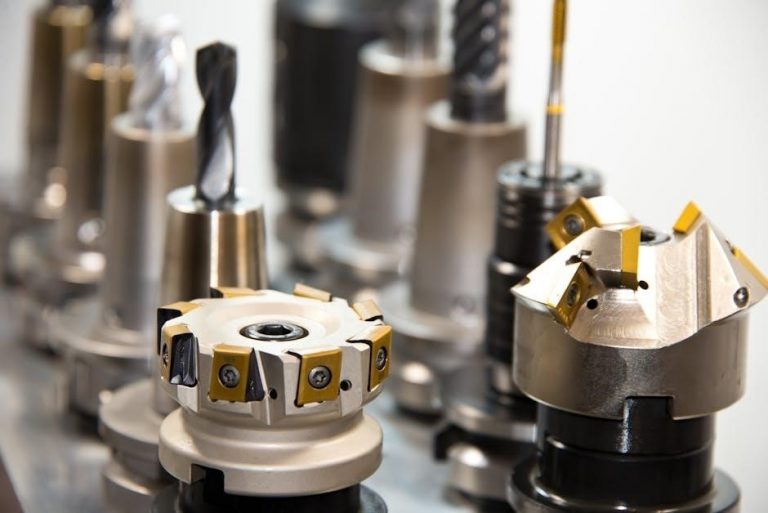
The milling system is the heart of the machine, responsible for material removal and shaping. Milling teeth, crucial for cutting action, require frequent inspection for wear and damage, impacting surface finish and accuracy. Manuals detail proper tooth geometry and replacement procedures.
Milling drums, supporting the teeth, must be balanced and free from defects; manuals outline balancing techniques and acceptable tolerances. Tool holders securely clamp cutting tools, ensuring rigidity and precision – manuals specify correct holder selection based on tool type and material.
Understanding the interplay between these parts, as detailed in the manual, is vital. Proper maintenance, including lubrication and timely replacement of worn components, directly affects milling performance and extends the system’s lifespan. Ignoring these guidelines can lead to decreased efficiency, poor quality parts, and potential machine damage.
Milling Teeth
Milling teeth are the primary cutting elements, and manuals provide detailed specifications regarding their geometry, material composition, and recommended cutting parameters. Understanding tooth profiles – such as positive, negative, or neutral rake angles – is crucial for achieving optimal chip formation and surface finish.
Manuals emphasize the importance of regular inspection for wear, chipping, or breakage. Identifying worn teeth prevents further damage to the milling drum and ensures consistent cutting performance. Replacement procedures are meticulously outlined, including torque specifications and proper alignment techniques.
Furthermore, manuals often detail sharpening methods, though professional sharpening is generally recommended. Correct tooth maintenance, as guided by the manual, maximizes tool life, minimizes vibration, and contributes to the overall accuracy and efficiency of the milling operation.
Milling Drums
Milling drums, the foundational component housing the cutting teeth, require diligent attention as detailed in the machine manuals. These documents specify drum materials – often robust alloys designed for high impact and wear resistance – and their corresponding limitations. Manuals outline procedures for inspecting drum integrity, focusing on identifying cracks, deformation, or bearing damage.
Proper drum balancing is paramount to minimize vibration and ensure a smooth cutting action; manuals provide guidance on balancing techniques and acceptable vibration thresholds. Replacement procedures are comprehensively described, including safety precautions for handling heavy components and precise alignment requirements.
Furthermore, manuals detail lubrication points on the drum assembly, emphasizing the importance of using manufacturer-approved lubricants to prevent corrosion and ensure optimal bearing life. Regular maintenance, guided by the manual, extends drum lifespan and maintains milling precision.
Tool Holders
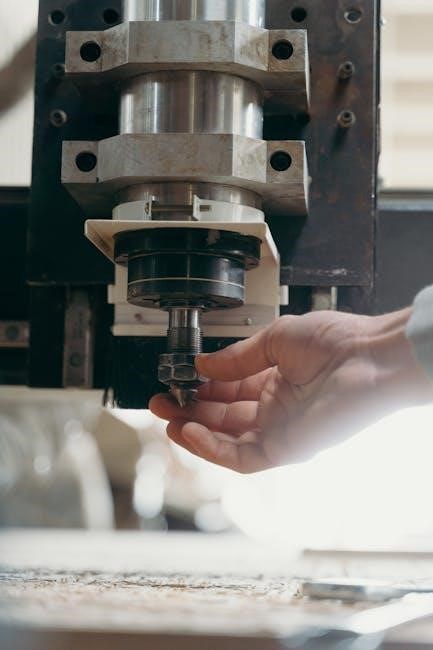
Tool holders, as outlined in milling machine manuals, are critical for securely and accurately positioning cutting tools. Manuals detail various holder types – collet chucks, end-mill holders, and face-mill arbors – specifying their compatibility with different tool shanks and milling operations. Proper installation and tightening procedures are emphasized to prevent tool slippage during machining.
The manuals provide torque specifications for tightening drawbars and collet nuts, ensuring sufficient clamping force without damaging the holder or tool. Regular inspection for wear, such as taper damage or thread stripping, is crucial; manuals detail acceptable wear limits and replacement criteria.
Lubrication guidelines for tool holder drawbars and collet mechanisms are also included, promoting smooth operation and preventing corrosion. Correct tool holder selection and maintenance, guided by the manual, directly impact machining accuracy and surface finish.
Undercarriage Parts
Undercarriage parts, as detailed in milling machine manuals, are fundamental to the machine’s mobility and stability, particularly for road milling applications. Manuals comprehensively cover track pads, track chains, track rollers, idlers, and sprockets, outlining inspection procedures for wear and damage. They emphasize the importance of maintaining proper track tension to ensure smooth operation and prevent premature component failure.
Lubrication schedules for track components are meticulously detailed, specifying grease types and application points. Manuals also provide guidance on adjusting track alignment and replacing worn or damaged parts, including torque specifications for fasteners. Identifying the usage condition of these parts is vital for optimal performance.
Regularly checking for cracked or broken track pads, stretched or worn track chains, and damaged rollers is crucial, as outlined in the maintenance sections of the manual.
Track Pads
Track pads, as described in milling machine manuals, are the direct contact points between the machine and the milling surface, bearing significant stress and abrasion. Manuals detail inspection procedures, emphasizing the identification of cracks, excessive wear, and loss of grip. They specify acceptable wear limits and replacement criteria to maintain optimal milling performance and prevent damage to the underlying track structure.
The manuals outline proper installation and fastening techniques, including torque specifications for mounting bolts, ensuring secure attachment and preventing loosening during operation. Regular visual checks for uneven wear patterns are recommended, indicating potential alignment issues or uneven load distribution.
Furthermore, manuals often include guidance on track pad selection based on specific milling applications and surface types, maximizing efficiency and extending component lifespan.
Track Chains
Track chains, as detailed in milling machine manuals, are critical components responsible for transmitting power to the milling drums and ensuring smooth machine movement. Manuals emphasize the importance of regular lubrication, specifying appropriate grease types and lubrication intervals to minimize friction and wear. Inspection procedures focus on identifying stretched or damaged links, loose pins, and signs of corrosion.
The manuals provide clear instructions on chain tension adjustment, outlining the correct procedure to prevent slippage or excessive strain on the system. They also detail the proper methods for cleaning and maintaining the chain, removing debris and contaminants that can accelerate wear.
Furthermore, manuals often include troubleshooting guides for common chain-related issues, such as breakage or misalignment, offering solutions for efficient repair and minimizing downtime.
Track Rollers
Track rollers, as outlined in milling machine manuals, play a vital role in supporting the weight of the machine and facilitating smooth travel across various surfaces. Manuals stress the necessity of frequent inspections, focusing on identifying worn or damaged rollers, cracked flanges, and compromised seals. Proper lubrication is paramount, with manuals specifying recommended grease types and greasing points to reduce friction and prevent premature failure.
Detailed procedures for checking roller alignment are included, ensuring even weight distribution and preventing uneven wear on the track chains. Manuals also provide guidance on replacing damaged rollers, emphasizing the importance of using the correct replacement parts and following torque specifications.
Troubleshooting sections address common issues like excessive play or noise, offering diagnostic steps and repair solutions to maintain optimal machine performance.
Milling Machine Maintenance Schedules
Maintenance schedules, detailed in milling machine manuals, encompass daily checks, weekly tasks, monthly procedures, and quarterly/semi-annual deep maintenance for peak performance.
Daily Maintenance Checks
Daily maintenance checks, as outlined in your milling machine manual, are foundational for preventing unexpected downtime and ensuring consistent operational efficiency. These quick inspections, typically taking only a few minutes, focus on critical areas.
Begin by verifying adequate fluid levels – coolant, lubricants, and hydraulic fluids – topping off as needed. Thoroughly clear away chips and debris from the work area, machine table, and guarding systems. A clean machine operates more accurately and safely.
Critically, confirm the proper functioning of all safety systems, including emergency stop buttons and safety interlocks. Inspect hoses and connections for leaks or damage. A visual check of the spindle for unusual noises or vibrations is also essential.
Finally, review the machine’s overall condition, noting any unusual smells, sounds, or visual anomalies. Documenting these observations in a maintenance log, as recommended by the manual, helps track potential issues and facilitates proactive repairs.
Weekly Maintenance Tasks
Weekly maintenance tasks, detailed within your milling machine manual, build upon daily checks, providing a more in-depth assessment of machine health. These procedures typically require a slightly longer timeframe but are vital for long-term reliability.
Focus on filter cleaning – coolant filters, air filters, and hydraulic filters – to maintain fluid purity and prevent component wear. Conduct a detailed lubrication inspection, ensuring all lubrication points are adequately greased according to the manual’s specifications.
Inspect belts and pulleys for wear, tension, and alignment, adjusting or replacing as necessary. Examine the spindle for runout and bearing play, noting any deviations from acceptable tolerances. A thorough cleaning of the machine’s exterior, removing accumulated grime and debris, is also recommended.
Document all completed tasks and any observed issues in the maintenance log, facilitating trend analysis and proactive maintenance planning.
Monthly Maintenance Procedures
Monthly maintenance procedures, as outlined in your milling machine manual, represent a deeper dive into system health, going beyond routine lubrication and cleaning. Accuracy verification is paramount; check critical dimensions using precision instruments, comparing results to original specifications. Any discrepancies require immediate investigation and correction.
Thoroughly inspect the electrical system, checking wiring connections for tightness and insulation integrity. Examine coolant lines and pumps for leaks or blockages, ensuring optimal coolant flow. Inspect hydraulic fluid levels and condition, looking for contamination or degradation.
Review safety systems – emergency stops, guards, and interlocks – verifying their proper functionality. Document all findings and actions taken in the maintenance log, creating a historical record for future reference and predictive maintenance strategies.
Quarterly/Semi-Annual Deep Maintenance
Quarterly or semi-annual deep maintenance, detailed within your milling machine manual, focuses on preventative measures to extend machine life and maintain peak performance. This involves a complete coolant tank cleaning and fluid replacement, removing accumulated debris and restoring coolant effectiveness. A comprehensive hydraulic fluid analysis and replacement are also crucial.
Conduct a thorough spindle assessment, checking for bearing wear, runout, and vibration. Inspect and potentially overhaul critical components like pumps, motors, and gearboxes. Detailed lubrication of all moving parts, following the manual’s specifications, is essential.
Don’t overlook a complete inspection of the machine’s structure for signs of wear, damage, or misalignment. Document all work performed and update the maintenance schedule based on findings.
Troubleshooting Common Milling Machine Issues
Milling machine manuals provide systematic guidance for diagnosing and resolving operational problems, including identifying worn parts and addressing issues like pitting.
Identifying Worn-Out Parts
Milling machine manuals are indispensable resources for pinpointing components nearing the end of their service life. They detail expected wear patterns for milling system parts – specifically milling teeth, milling drums, and tool holders – enabling proactive replacement before catastrophic failure.
Similarly, the manual outlines inspection criteria for undercarriage parts, including track pads, track chains, and track rollers, highlighting signs of wear like cracking, deformation, or excessive play. Understanding these indicators, as described in the manual, allows technicians to assess the usage condition of each part.
Manuals often include detailed diagrams and measurements, facilitating accurate comparisons between current component dimensions and manufacturer specifications. This ensures timely identification of parts requiring attention, maximizing machine uptime and minimizing costly repairs. Regular reference to the manual is key to preventative maintenance.
Addressing Pitting and Scoring
Milling machine manuals provide crucial guidance on rectifying surface damage like pitting and scoring, often observed on critical components. They detail appropriate repair methods, ranging from minor filing – utilizing a rough-cut file with a custom holder and vacuum dust extraction – to more extensive reconditioning processes.
The manual will specify whether minor pitting can be addressed through careful filing or if scoring indicates a need for component replacement. It emphasizes the importance of thoroughly cleaning affected areas before inspection and repair.
Furthermore, manuals often recommend surface treatments or coatings, like applying Rulon 142, to prevent future damage and restore functionality. Proper diagnosis, guided by the manual, is essential to determine the severity of the damage and select the most effective remediation strategy, ensuring continued machine performance.
Milling Machine Reconditioning & Inspection
Milling machine manuals detail reconditioning processes, including scraping techniques and accuracy verification methods, ensuring machines meet stringent performance standards after repair.
Machine Reconditioning Processes
Milling machine manuals provide detailed guidance on comprehensive reconditioning procedures, vital for restoring aging machines to peak operational condition. These processes often begin with a thorough disassembly, allowing for meticulous inspection of all components. Manuals outline specific techniques for addressing wear and damage, including scraping to achieve precise fits and flatness.
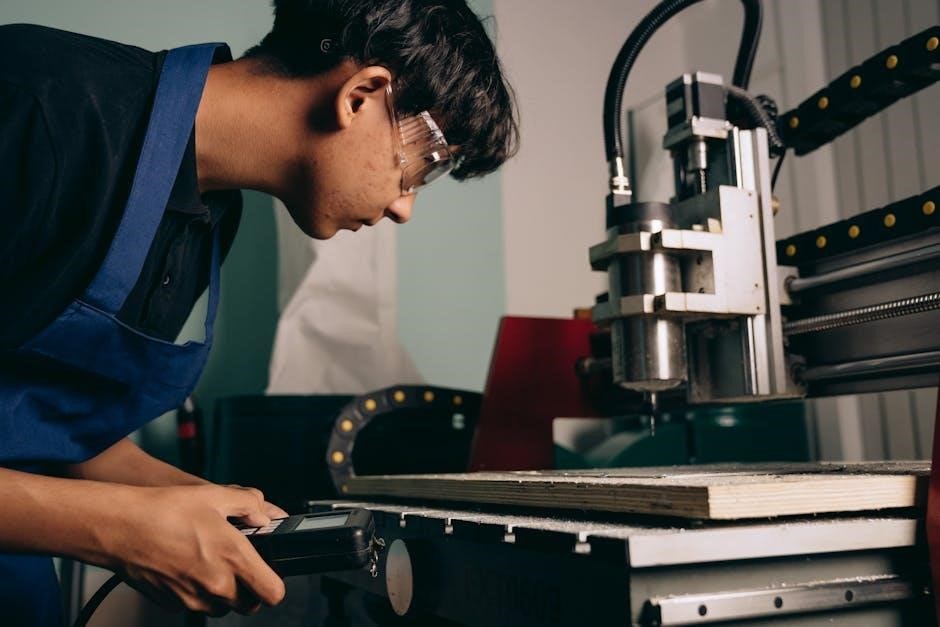
They emphasize the importance of replacing worn-out parts – such as milling teeth, track pads, and track rollers – with manufacturer-approved replacements. The manuals also detail procedures for repairing or replacing damaged milling drums and ensuring proper functionality of tool holders.
Furthermore, they cover critical steps like cleaning and restoring hydraulic systems, verifying electrical connections, and recalibrating machine controls. Following the manual’s instructions ensures the reconditioning process adheres to original specifications, maximizing machine life and maintaining accuracy. Proper reconditioning, guided by the manual, prevents future failures and optimizes performance.
Scraping Techniques
Milling machine manuals often detail scraping techniques, a precision fitting method crucial for achieving optimal machine accuracy. This manual-guided process involves removing minute amounts of material from mating surfaces – like the machine bed and column – to eliminate distortions and ensure perfect alignment.
Manuals emphasize the use of specialized scraping tools and the importance of a blueing agent to visualize contact points. They instruct technicians on applying consistent pressure and utilizing long, smooth strokes to achieve a uniform scraping pattern.
The manuals highlight the need for frequent checks with precision measuring instruments, like granite straightedges and feeler gauges, to monitor progress. They also caution against excessive material removal, stressing the importance of a gradual and controlled approach. Proper scraping, as outlined in the manual, restores flatness and improves the overall rigidity of the milling machine, enhancing its performance and longevity. Using a file holder and rough cut file is also recommended.
Accuracy Verification Methods
Milling machine manuals dedicate significant sections to accuracy verification, outlining procedures to ensure the machine maintains its precision over time. These methods, detailed within the manual, typically involve utilizing precision measuring tools like granite straightedges, precision levels, and dial indicators.
Manuals instruct users on checking the flatness of the machine table, the squareness of axes, and the accuracy of spindle runout. They emphasize the importance of establishing a stable and temperature-controlled environment during these tests.
Furthermore, manuals often describe methods for verifying backlash in the leadscrews and the accuracy of the machine’s positioning system. Regular accuracy checks, as prescribed by the manual, are vital for identifying wear or misalignment. This allows for timely maintenance and prevents the production of inaccurate parts, ultimately safeguarding product quality and minimizing downtime. Monthly procedures are essential for verification.

Safety Procedures & Manual Guidelines
Milling machine manuals prioritize operator safety, detailing emergency stop procedures and lockout/tagout protocols to prevent accidental machine activation and injuries.
Emergency Stop Procedures
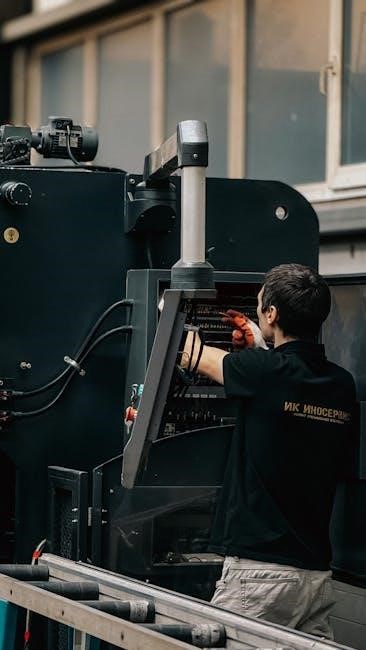
Milling machine manuals emphatically detail emergency stop procedures, vital for immediate halting of operations during unforeseen circumstances or hazardous situations. These procedures typically involve prominently located, easily accessible emergency stop buttons – often red and mushroom-shaped – strategically positioned around the machine.
Upon activation, the emergency stop immediately cuts power to the milling machine’s critical components, including the spindle, motors, and coolant pumps, bringing the machine to a controlled, yet rapid, standstill. Manuals will illustrate the exact location of these buttons and provide step-by-step instructions for their use.

It’s crucial to understand that engaging the emergency stop doesn’t necessarily repair the issue, but rather prevents further damage or injury. Following an emergency stop, the manual will outline the necessary steps for safe machine reset and investigation of the initiating problem before resuming operation. Regular drills and operator training on emergency stop procedures are paramount for ensuring a swift and effective response in critical moments.
Lockout/Tagout Procedures
Milling machine manuals dedicate significant sections to Lockout/Tagout (LOTO) procedures, a critical safety protocol ensuring the machine remains safely de-energized during maintenance, repair, or servicing. LOTO prevents accidental startup or release of stored energy, protecting personnel from severe injury.
The manual will detail a specific, step-by-step process, including identifying all energy sources (electrical, pneumatic, hydraulic), properly shutting down the machine, isolating those sources, and applying locks and tags to energy-isolating devices. Each authorized employee performing work must apply their personal lock and tag, verifying the energy is isolated before commencing work.
The manual emphasizes the importance of documented procedures, proper training for all personnel involved, and periodic audits to ensure LOTO compliance. Removing locks and tags is only permitted by the individual who applied them, after verifying the machine is safe to restart. Strict adherence to LOTO procedures is non-negotiable for safe milling machine maintenance.
Advanced Manual Resources
Digital manual access and manufacturer-specific resources offer comprehensive support, enhancing understanding and troubleshooting capabilities for milling machine operation and repair.
Digital Manual Access
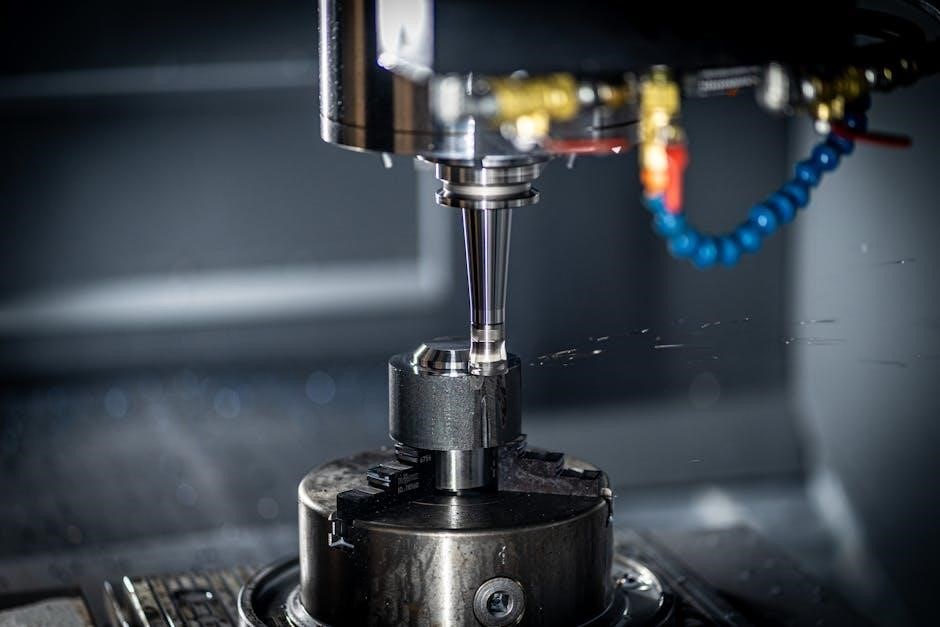
Modern milling machine manuals are increasingly available in digital formats, offering significant advantages over traditional paper copies. These digital resources often include interactive features such as searchable databases, allowing technicians to quickly locate specific information regarding maintenance procedures, troubleshooting steps, or component specifications.
Online platforms and manufacturer websites frequently host downloadable PDF versions of manuals, ensuring accessibility from various devices. Some manufacturers are even developing dedicated mobile applications that provide offline access to manuals, schematics, and diagnostic tools. This is particularly useful for technicians working in remote locations or environments where internet connectivity is limited.
Furthermore, digital access facilitates easier updates and revisions. Manufacturers can promptly release updated manuals to address new features, safety concerns, or identified errors, ensuring that users always have the most current information at their fingertips. This contrasts sharply with the challenges of distributing and implementing updates to printed manuals.
Manufacturer-Specific Manuals
Obtaining manuals directly from the milling machine manufacturer is paramount for accuracy and comprehensive coverage. Generic manuals may lack the detailed specifications and unique operational nuances specific to a particular machine model. Each manufacturer employs distinct engineering designs, control systems, and safety features, necessitating tailored documentation.
These manuals typically include detailed parts lists, exploded diagrams, and precise instructions for assembly, disassembly, and repair. They also outline recommended maintenance schedules, lubrication guidelines, and troubleshooting procedures specific to the machine’s components. Accessing these resources often involves visiting the manufacturer’s website, contacting their customer support, or utilizing online parts catalogs.
Furthermore, manufacturer-specific manuals often contain crucial safety warnings and regulatory compliance information relevant to the machine’s operation. Utilizing the correct manual ensures operators and technicians adhere to the manufacturer’s intended usage parameters, maximizing machine lifespan and minimizing potential hazards.